4th ICEGEE

AI-Based Medicine and Biological Data Analysis


Organizer Submission Deadline Notification of Acceptance Submission Email Download
Faculty of Medical and Health Sciences and Bioengineering Institute, University of Auckland June 2, 2026 7-20 workdays [email protected] Manuscript Template

About

Background

The symposium on AI-Based Medicine and Biological Data Analysis offers an interdisciplinary platform for researchers, engineers, and practitioners to explore recent advances in artificial intelligence applied to complex biomedical data. The rapid growth of biomedical sensing technologies, medical imaging, wearable devices, and high-throughput biological assays has resulted in increasingly rich and heterogeneous multimodal datasets. Effectively analysing and integrating these diverse data sources is essential for advancing our understanding of health, disease, and their interactions with environmental and bio-ecological systems. AI-driven data analysis methods provide powerful tools to extract meaningful patterns from high-dimensional biomedical data and to support data-informed decision making. Positioned as a catalyst for interdisciplinary collaboration, this symposium brings together experts from biomedical engineering, data science, AI, and related domains to advance research and applications in multimodal biomedical data analysis.

The symposium, which serves as a specialized session of the 4th International Conference on Environmental Geoscience and Earth Ecology (ICEGEE 2026), will focus on medicine and biology.

Goal/Rationale

This symposium aims to address key challenges and recent developments in AI-based Medicine and Biological Data Analysis. Despite significant progress in machine learning and data-driven modelling, integrating heterogeneous biomedical data modalities remains a major challenge due to issues such as data complexity, noise, limited interpretability, and scalability. There is a growing need for robust, explainable, and efficient AI methods that can fuse multimodal biomedical data and translate analytical insights into real-world applications, including health monitoring, environmental health assessment, and sustainable bio-ecological systems. The symposium will showcase recent methodological advances, emerging AI techniques, and applied case studies demonstrating how multimodal biomedical data can be leveraged effectively. Through research presentations, discussions, and knowledge exchange, the symposium seeks to foster collaboration, stimulate innovation, and identify future research directions at the intersection of AI, biomedical data analysis, and sustainability-oriented applications.

Scope

The symposium invites original research contributions that focus on AI-based analysis of Medicine and Biological Data Analysis. Topics of interest include, but are not limited to:

  • Multimodal biomedical data fusion from biosignals, imaging, wearable sensors, and omics
  • Machine learning and deep learning methods for heterogeneous biomedical datasets
  • AI-enabled analysis of biomedical data linked to environmental and bio-ecological factors
  • Advanced signal processing techniques for improving data quality and robustness
  • Interpretable and trustworthy AI for biomedical data analysis
  • Real-time and scalable analytics for wearable and sensing systems
  • Applications of multimodal biomedical data analysis in health, environmental monitoring, and sustainability
  • Case studies demonstrating AI-driven insights from complex biomedical data

The symposium welcomes both academic and industry participants and encourages interdisciplinary and application-oriented contributions.

Publication

Accepted papers of the symposium will be published in Theoretical and Natural Science (TNS) (Print ISSN 2753-8818), and will be submitted to Conference Proceedings Citation Index (CPCI), Crossref, CNKI, Portico, Engineering Village (Inspec), Google Scholar and other databases for indexing. The situation may be affected by factors among databases like processing time, workflow, policy, etc.

Publication info

Title: Theoretical and Natural Science (TNS)
Press: EWA Publishing, United Kingdom
ISSN: 2753-8818, 2753-8826 (electronic)

This symposium is organized by ICEGEE 2026 and it will independently proceed the submission and publication process.

* The papers will be exported to production and publication on a regular basis. Early-registered papers are expected to be published online earlier.

Highlights

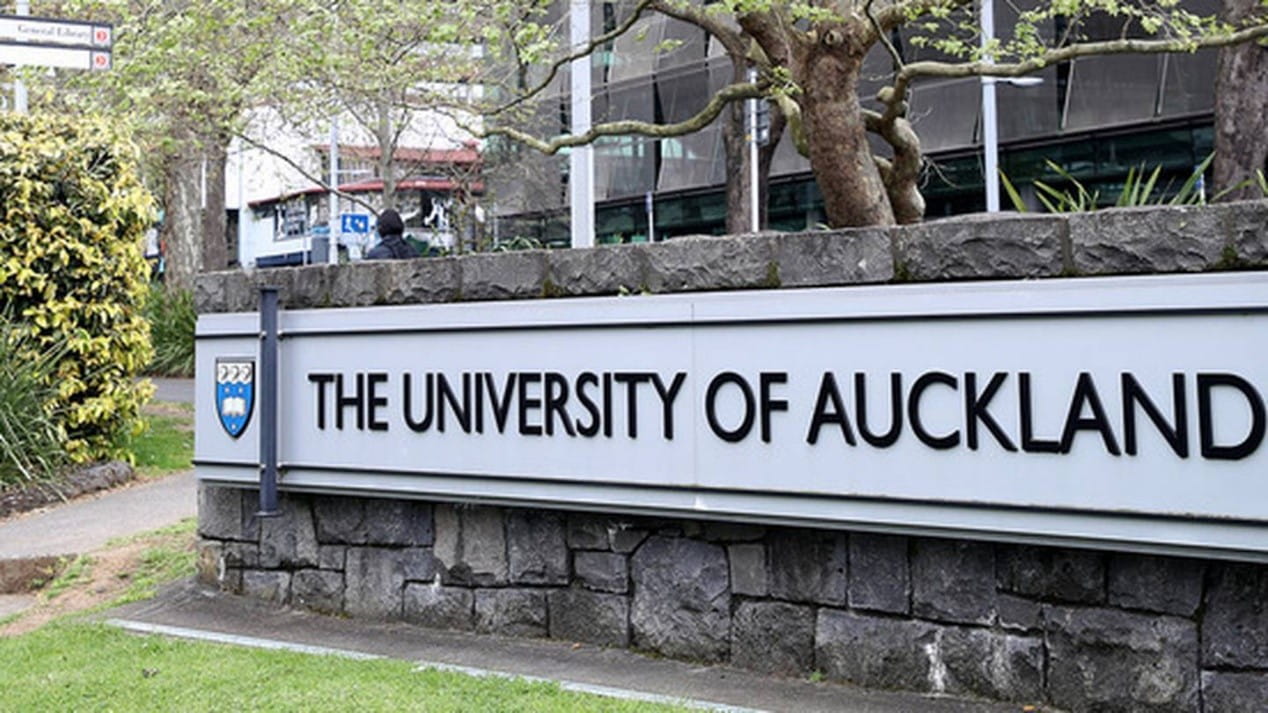
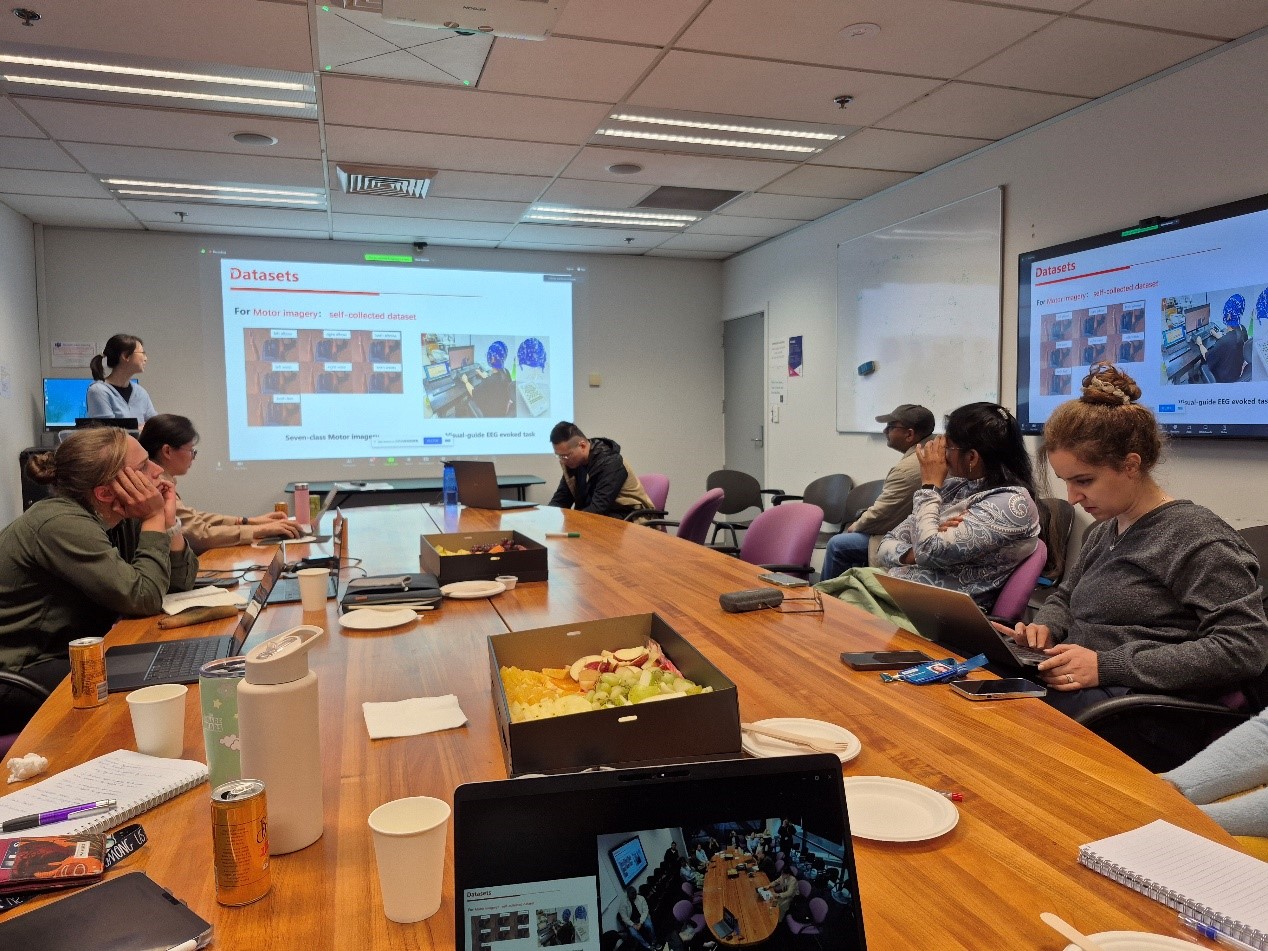
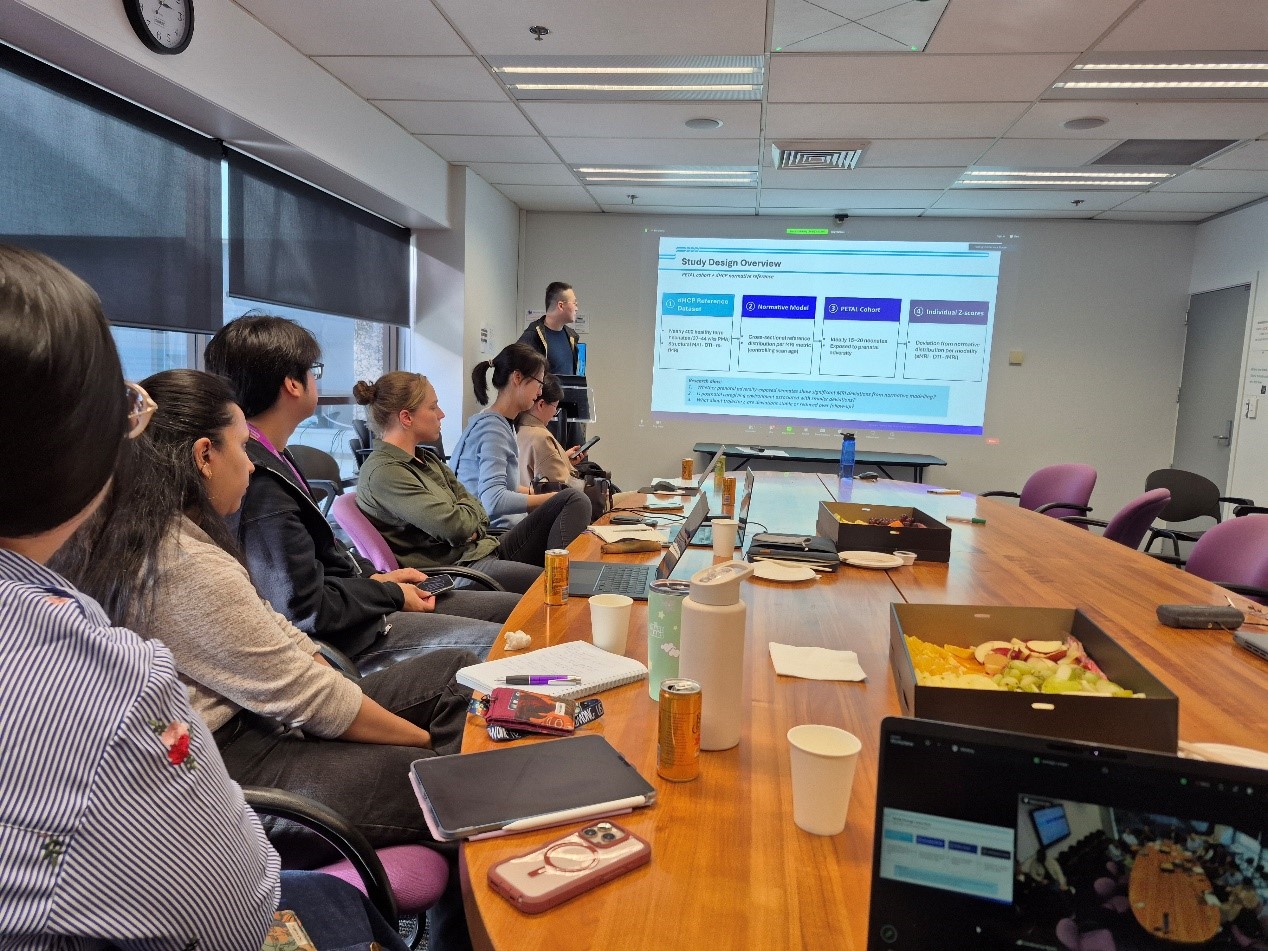
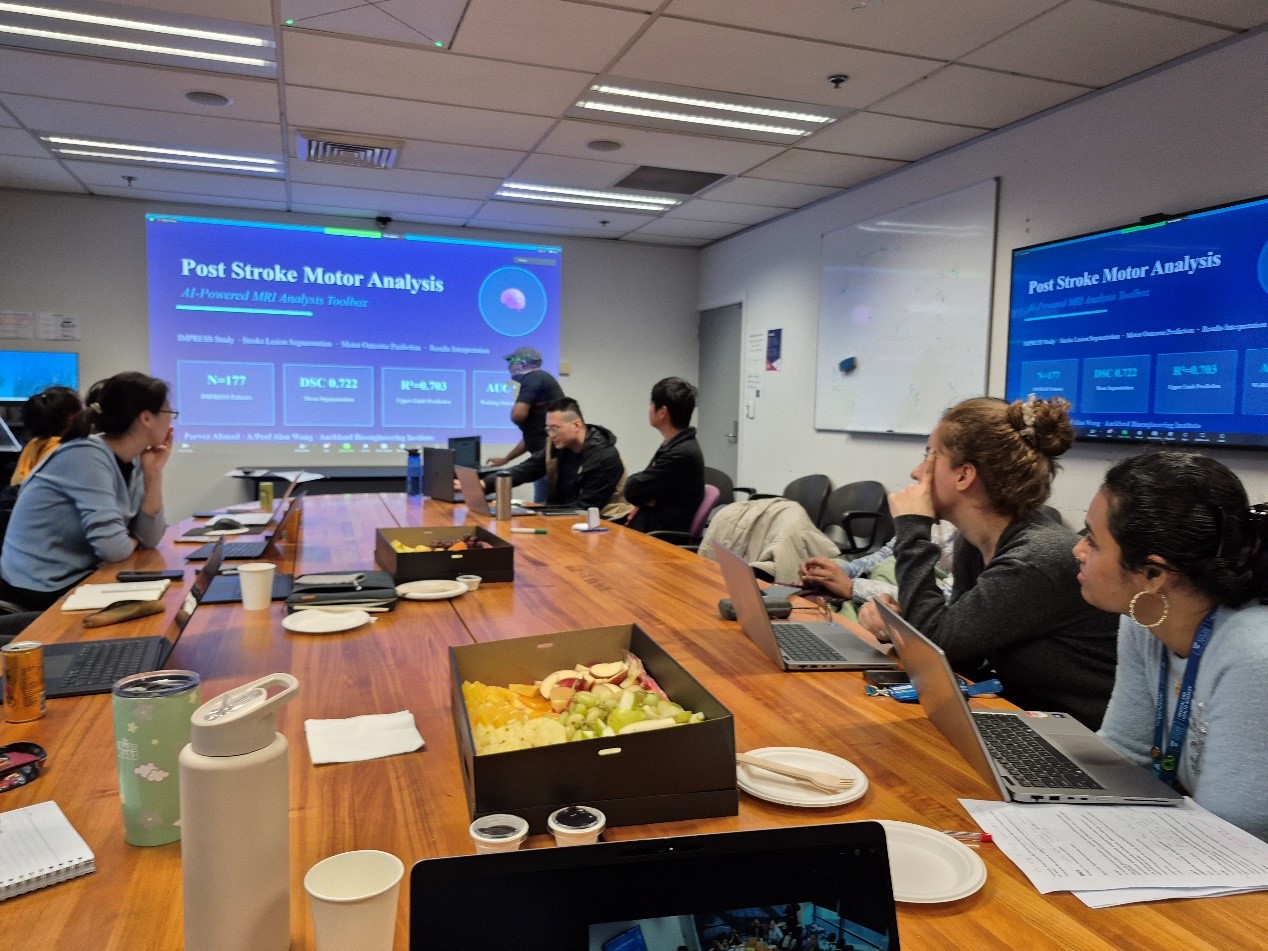
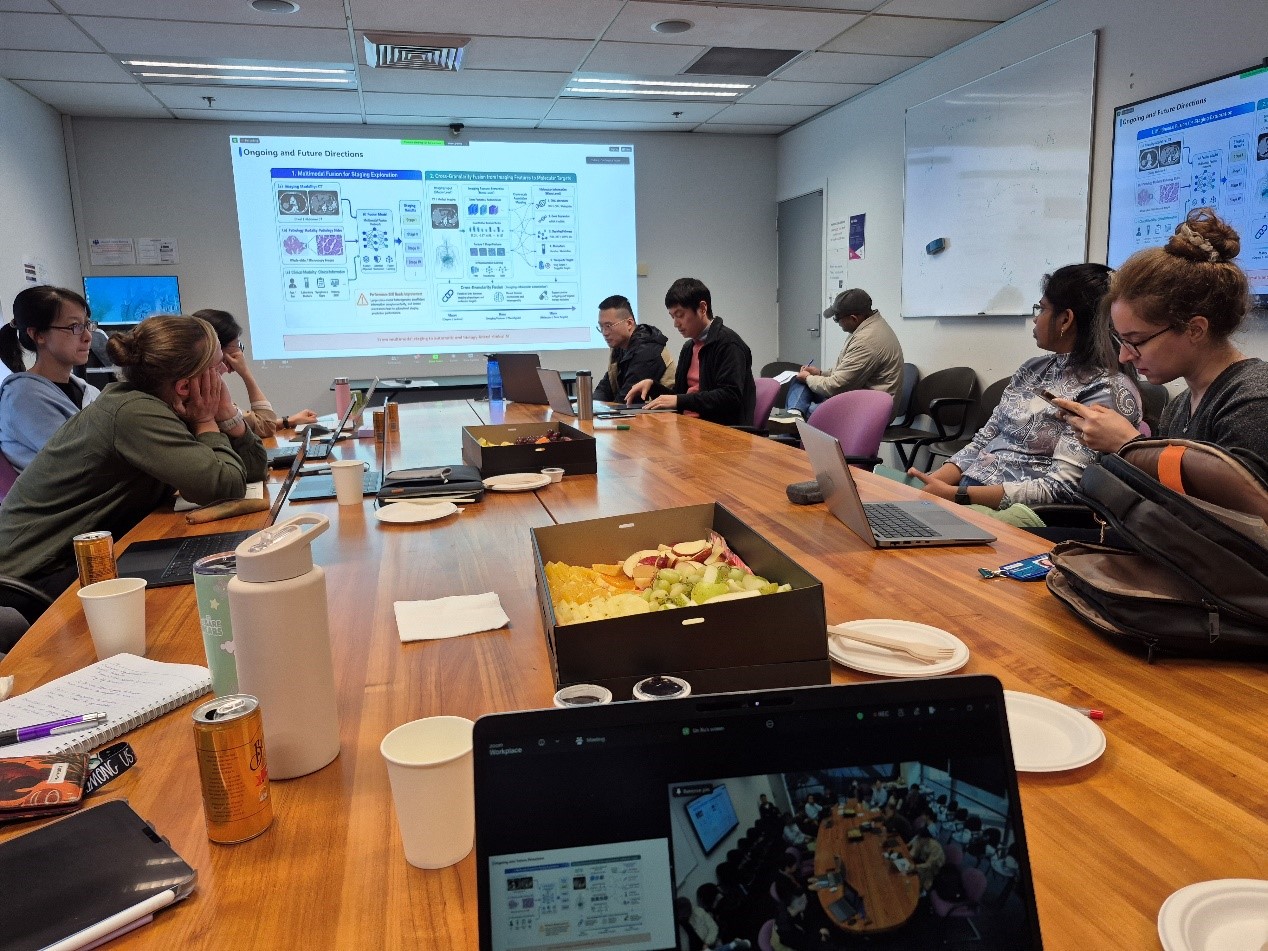
The Symposium on AI-Based Medicine and Biological Data Analysis was held on Monday, 8 June 2026, at the Grafton Campus, The University of Auckland. The symposium provided an interdisciplinary platform for researchers, scholars, and students to exchange ideas on artificial intelligence, multimodal biomedical data analysis, medical imaging, signal processing, and intelligent healthcare applications.

The programme featured a range of presentations covering AI-enhanced rehabilitation technologies, stroke recovery prediction, medical image analysis, retinal vessel recognition, image fusion, EEG-based motor decoding, brain frailty, multimodal data fusion, cancer imaging, and early brain development. Presentations highlighted the use of deep learning, machine learning, multimodal modelling, biomedical signal analysis, and data-driven approaches to address clinically relevant problems across neurorehabilitation, medical imaging, and translational health research.

A key theme of the symposium was the integration of heterogeneous biomedical data, including imaging, clinical, motor, neurobiological, retinal, and EEG signals, to support more accurate analysis, prediction, and decision-making. Discussions also considered how AI-based tools can contribute to rehabilitation, diagnosis, prognosis, and personalised healthcare, while recognising the challenges of data quality, model generalisation, interpretability, and clinical translation.

Overall, the symposium created a valuable opportunity for knowledge exchange and collaboration among researchers working at the interface of AI, medicine, biological data analysis, and rehabilitation technology. It also helped identify future directions for collaborative projects, methodological development, and application-oriented research in intelligent biomedical data analysis.

Image 1
Image 2
Image 3
Image 4

You could find the symposium video here.