-
 Drugs Analysis and Biomedicine ApplicationsKAYSERI, TURKEY MAY 8, 2026
Title:
Drugs Analysis and Biomedicine Applications
Date:
May 8th, 2026 (UTC+3)
Organizer:
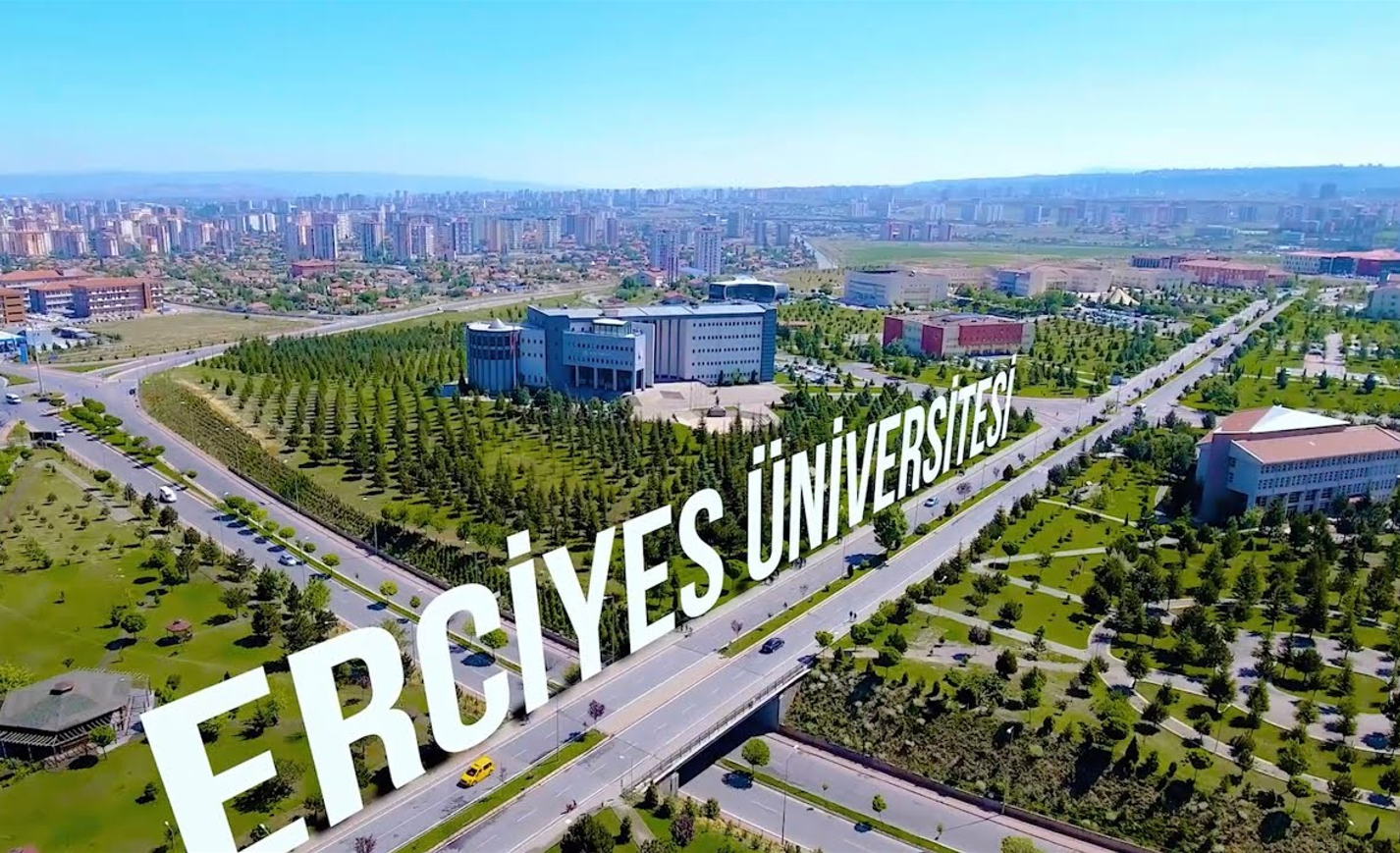
Faculty of Engineering, Erciyes University
Symposium Chair:

Dr. Çiğdem Gülüzar Altıntop
Personal Bio:
Dr. Çiğdem Gülüzar Altıntop is a senior engineer and Assistant Professor in the Department of Biomedical Engineering. She received her Ph.D. degree in Biomedical Engineering from the University of Erciyes in 2021. Over the past few years, her work has focused on developing cost-effective methods for diagnosing diseases. Her work over the past 13 years can be summarized as follows: the design and evaluation of biomedical signal processing algorithms; investigations into the effectiveness of techniques and technologies for measuring and classifying signal features. She has authored several peer-reviewed articles published in prestigious biomedical engineering journals and has spoken at numerous symposiums and conferences over the past years. Her publications frequently focus on innovative approaches to signal processing, presenting novel algorithms and methodologies that have practical implications for the medical and healthcare industries. She teaches various courses related to biomedical engineering, sharing her expertise and fostering a deeper understanding of the complexities of biomedical signal processing among her students. Her ongoing research aims to bridge the gap between theoretical biomedical engineering concepts and their practical applications, ultimately improving diagnostic techniques and healthcare outcomes.
Call for Papers
Background:
In recent years, the integration of biomedical engineering with pharmacological research has become increasingly important. Traditional drug evaluation methods often rely on behavioral assessments or biochemical markers; however, physiological signals such as EEG provide a direct and non-invasive window into brain function. Changes in neural activity induced by pharmacological treatments or substance use can be effectively captured and quantified using advanced signal-processing techniques.
The rapid development of machine learning algorithms has further enhanced the ability to classify, model, and predict drug-related effects from biomedical data. These approaches support a deeper understanding of drug mechanisms, treatment monitoring, and personalized medicine, making them highly relevant for modern biomedicine.
Goal/Rationale:
The primary goal of this workshop is to explore how biomedical signal analysis can be used to assess and interpret the effects of drugs within a biomedicine framework. Despite significant progress, challenges remain in developing reliable, objective, and non-invasive tools for evaluating pharmacological impacts on brain function. By bringing together researchers and practitioners from biomedical engineering, neuroscience, and data science, this workshop aims to:
- Discuss advanced methodologies for analyzing drug-related changes in EEG signals
- Highlight machine learning-based approaches for classification and prediction
- Explore clinical and biomedical applications of these techniques
- Foster collaboration and inspire future interdisciplinary research
Scope and Information for Participants:
The scope of this workshop includes, but is not limited to, the following topics:
- Biomedical Signal Processing for Drug Analysis: Advanced techniques for analyzing EEG and other physiological signals affected by pharmacological interventions
- Machine Learning in Biomedicine: Classification, prediction, and pattern recognition of drug-induced changes
- EEG-Based Assessment of Pharmacological Effects: Feature extraction, time-frequency analysis, and connectivity measures
- Substance Dependency and Brain Dynamics: Signal-based analysis of dependency-related neural alterations
- Clinical and Biomedical Applications: Case studies demonstrating real-world applications in healthcare and research
- Future Perspectives: Emerging trends in drug analysis, biomedicine, and personalized treatment monitoring
Participants are encouraged to contribute original research, review studies, and application-oriented work related to drug analysis and biomedical signal evaluation.
Topics:
The main topics of this symposium are listed below.
Drugs and Biomedicine
- Biomedical Signal Processing
- Clinical Medicine
- Drug Analysis
- Medicinal Chemistry and Biochemistry
- Nursing and Rehabilitation Science
- Pharmaceutics and Synthesis
- Pharmacodynamics, Pharmacokinetics, and Drug Delivery
- Pharmaceutical toxicology
- Pharmacognosy and Natural Drugs
Meanwhile, submissions aligned with the overall conference theme are also welcome.
Environmental Science
- Atmospheric Environment
- Environmental Analysis and Methods
- Environmental Biology
- Environmental Catalysis
- Environmental Chemistry
- Environmental Climatology
- Environmental Microbiology
- Environmental Pollution
- Environmental Toxicology
- Environmental Governance and Management
- Maritime Environment
- Nano Materials and Nanotechnology
- Water Environment
Geoscience
- Engineering Geology
- Geochemistry
- Geographic Information System
- Geographical Environment
- Geo-microbiology
- Geophysics
- Natural Disasters and Engineering
- Natural Resource Management
- Repair Science
- Soil Science
Ecology
- Atmospheric Science
- Biome
- Climate Change
- Ecosystem
- Geography
- Geologic Record
- Geology
- Glaciology
- Hydrology
- Marine Pollution and Large Scale Solutions
- Meteorology
- Oceanography
- Physical Geography
- Plate Tectonics
- Volcanology
Bioscience and Bioengineering
- Agriculture, Aquaculture, Animal Husbandry, and Forestry
- Bio-Resources Utilisation
- Biodiversity
- Bioenergy and Biofuels
- Biomedicine, Biosystem, and Biochemistry
- Bioprospecting and Industrial Biology
- Conservation Biology
- Dynamic Stabilisation Law
- Electrical/Bio-Synthetics
- Food Biotechnology
- Food Nutrition and Health
- Food Process Design and Engineering
- Food Safety and Quality Control
- Land-Use Pattern
- Mechanical/Biosensor
- Omics, Bioinformatics, and Computational Biology
- Sustainable Development
- Techno-Biology and Bioengineering
Submission:
Prospective authors are kindly invited to submit full papers that include title, abstract, introduction, tables, figures, conclusion and references. It is unnecessary to submit an abstract in advance. Please submit your papers in English.
Each paper should be no less than 4 pages. One regular registration can cover a paper of 6 pages, and additional pages will be charged. Please format your paper well according to the conference template before submission. Paper Template Download
Please prepare your paper in both .doc/.docx and .pdf format and submit your full paper by email with both formats attached directly to [email protected]
Important Dates:
| Process | Date & Time |
|---|---|
| Submission Deadline | May 1, 2026 |
| Symposium Date | May 8, 2026 |
| Notification of Acceptance | 7-20 workdays |
Publication:
Accepted papers of the symposium will be published in Theoretical and Natural Science (TNS) (Print ISSN 2753-8818), and will be submitted to Conference Proceedings Citation Index (CPCI), Crossref, CNKI, Portico, Engineering Village (Inspec), Google Scholar and other databases for indexing. The situation may be affected by factors among databases like processing time, workflow, policy, etc.
Publication info
Title: Theoretical and Natural Science (TNS)
Press: EWA Publishing, United Kingdom
ISSN: 2753-8818, 2753-8826 (electronic)
This symposium is organized by ICEGEE 2026 and it will independently proceed the submission and publication process.
* The papers will be exported to production and publication on a regular basis. Early-registered papers are expected to be published online earlier.
Ways to Participate
Venue:
Erciyes University, Yenidoğan Mahallesi, Turhan Baytop Sokak No:1, 38280 Talas/Kayseri, Turkey
Attend in person:
If you want to attend the symposium on-site, please email [email protected]. The symposium seats are limited. Both contributors and non-contributors who wish to participate in the symposium in person need to apply to the symposium organizers.
VISA:
- Visitors who are not exempt from entry visa must obtain their visas or schedule an appointment with the Turkish Consular offices via Pre-Application System for Turkish Sticker Visa (www.visa.gov.tr). The applicants who meet the requirements will be directed by the Pre-Application System for Turkish Sticker Visa to the e-Visa system (www.evisa.gov.tr) In those countries where Türkiye does not have a consular representation can also use online scheduling for appointments with the nearest accredited consular office of Türkiye.
- In order to avoid inconveniences that may be caused by delays in processing, it is recommended to apply for visas at least one month in advance before the planned travel.
- The visas submitted to foreigners do not guarantee absolute rights of entry to Türkiye.
- Visa fees are not refundable in cases where applications are rejected
- All applicants are required to have a medical insurance that will be valid during their stay in Türkiye.
- The length of stay provided by visa or visa exemption cannot exceed 90 days within each 180 days. The regulation of 90 days of stay within the last 180 days is binding for all foreigners that will travel to Türkiye.
- It is not possible for foreigners holding two passports to stay in Türkiye for 90 days each with their two different passports within the last 180 days.
- In all types of visa applications, Turkish consular offices may issue visas with a maximum duration of stay of 90 days. The foreigners who wish to stay longer than 90 days in Türkiye, should apply for "Short Term Residence Permit" at the Provincial Directorate of Migration Administration in order to extend their residence.
- The residence permit of the foreigners will be cancelled if they stay outside Türkiye for longer than 120 days in total during the last year.
- For United Nations (UN) Travel Document (Laissez-Passer) holders who have blue UN travel documents, visa exemption with 90 days length of stay within the preceding 180 days may apply during their official visit to Türkiye if they can certify their official assignment. Red UN Travel Document holders, shall be exempt from entry visa and may stay in Türkiye 90 days within the preceding 180 days regardless of their purpose of visit. General visa provisions shall apply for Blue UN travel document holders subject to regulations specified according to their country of origin.
- Visa applications for travels except for touristic or trade purposes (work or study etc.) will need to obtain visa through Turkish Representations in the abroad.
- Regardless of the visa regime applied towards the citizens of a country, the travel document holders of that country need to obtain visa from Turkish missions beforehand.
- Any applicant under the age of 18 must submit official written approvals from both parents. For those applicants who certify that their parents are officially divorced and prove the parent holding their custody as well as for those with one parent deceased, visas may be issued in accordance with their purpose of visit.
- The authorization of processing the residence permit applications submitted by the following persons who enter Türkiye availing visa-free regime and without requirement of obtainment of Student Visas lays with Local Immigration Offices (Provincial Directorates of Migration): Foreigners who arrive in Türkiye upon invitations by universities under Turkish Higher Education Board to study at the associate, undergraduate, graduate, post-graduate, Ph. D levels pursuant to international student exchange programs, cultural programs as well as under EU Education and Youth Programs.
- For foreigners wishing to enter Türkiye via naval ports with touristic purposes, visa-free entry permits may be issued by the local governorates. These permits shall have a maximum 72 hours duration of stay and will be only valid for sightseeing purposes in the vicinity of naval ports where they entered the country. This practice, as it intends to facilitate entry for those visitors subject to visa, does not entitle visitors to visa. Passports of these visitors are not retained by the border authorities; however, visitors are given "Harbor City Entry Permit" which is required to be returned to the authorities upon their exits.
- Any piece of data submitted here may be processed and stored in database accessible to the relevant Turkish authorities in accordance with their respective mandates.
Tourist Visa
If an invitation letter is submitted for a Touristic Visa application, it must include the inviting person's TR Identity Number, clear identity, the list of invitees, permanent address, contact number, length and purpose of stay and the affinity with the applicant must be stated in the letter. If the inviting side is an organization or a company, tax registration certificate of the organization will be required. In the invitation letter it is also required for the inviting person/authority to pledge for covering victuals and accommodation expenses and for taking their own responsibility. The applicant is required to have sufficient and/or regular remunerations.
NOTICE:
Should your application be denied, the organizing committee cannot change the decision of visa officer, nor will ICEGEE engage in discussion or correspondence with the visa application center on behalf of the applicant. The registration fee CANNOT be refunded when the VISA application of individual being denied.